The Short Version
Turkey welcomed over 60 million tourists in 2025. The vast majority had safe, enjoyable trips. The country's main tourist regions — Istanbul, Cappadocia, the Aegean and Mediterranean coasts — have safety profiles comparable to popular European destinations.
The real risks are mundane: taxi overcharging in Istanbul, pickpockets in crowded bazaars, and sunburn on the coast. These are the same things you'd watch for in Barcelona or Rome.
What you should genuinely avoid: the area within 10 km of the Syrian border in the southeast. This is far from any tourist route and clearly marked in every government advisory.
We're a travel comparison platform, not a tour operator. We have no financial incentive to downplay risks or oversell Turkey. This guide is based on government advisories, traveler reports, and common sense. If something is worth worrying about, we'll say so.
What Governments Actually Say (June 2026)
| Country | Advisory level | What it means |
|---|---|---|
| 🇺🇸 United States | Level 2 | "Exercise increased caution" — same level as France, UK, Germany |
| 🇬🇧 United Kingdom | Standard | No advisory against travel to tourist areas. Advise against travel within 10 km of Syrian border. |
| 🇨🇦 Canada | Exercise caution | Standard travel caution, with specific warning for southeast border region. |
| 🇦🇺 Australia | Exercise caution | "Exercise a high degree of caution" — same as given for most popular destinations. |
Notice a pattern: every major government advisory says the same thing. Tourist areas are safe; the southeastern border zone is not for tourists. No government advises against travel to Istanbul, Cappadocia, Antalya, or the Aegean coast.
The US Level 2 ("exercise increased caution") applies to many countries Americans commonly visit, including France, the UK, Spain, and Italy. It's not a warning against travel — it's a reminder to be aware of your surroundings, which is good advice anywhere.
Region-by-Region Safety Map
| Region | Safety | Notes |
|---|---|---|
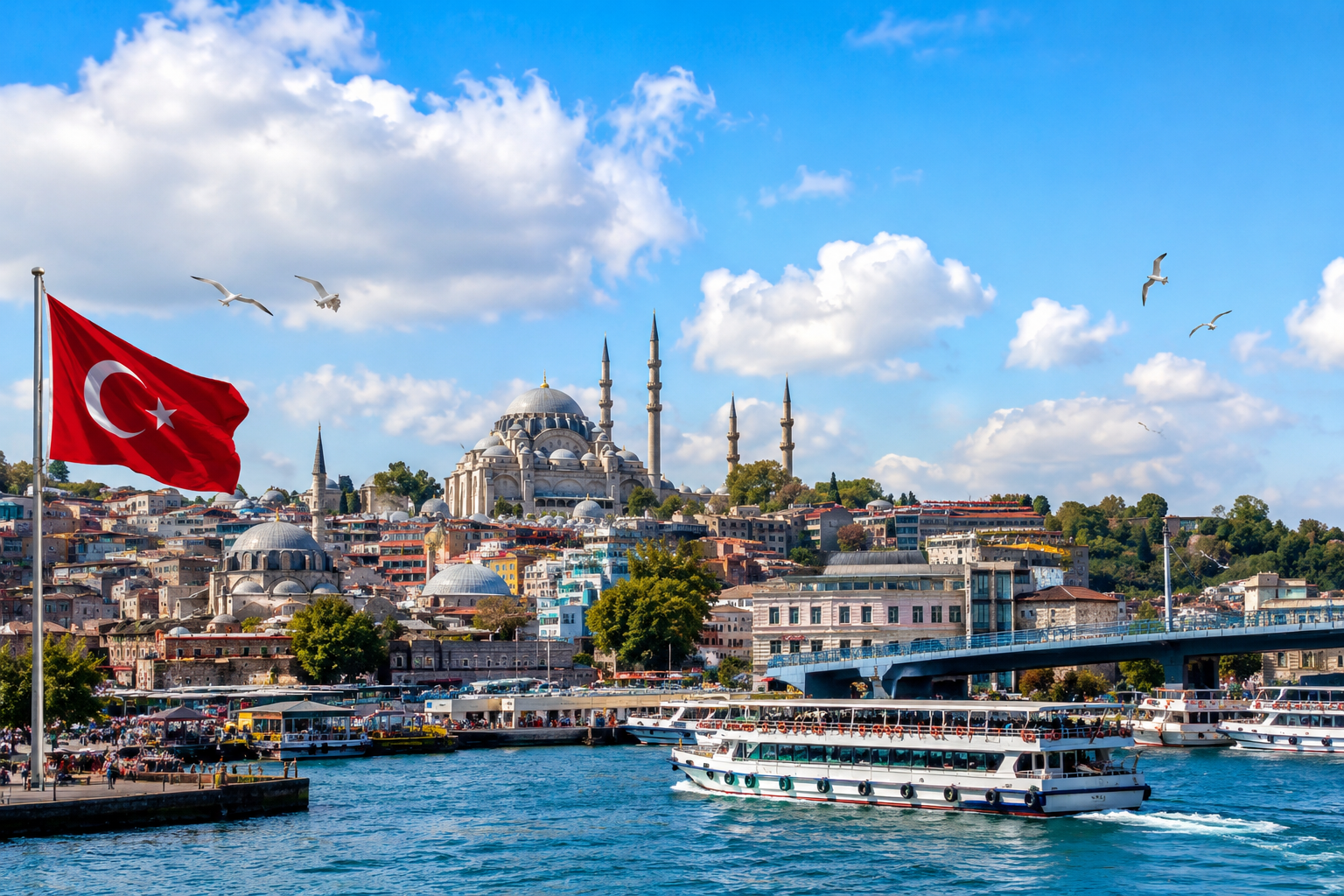
| Istanbul | Safe | Petty crime in tourist areas (pickpockets, taxi scams). Police presence is high around Sultanahmet, Taksim. Normal big-city awareness. |
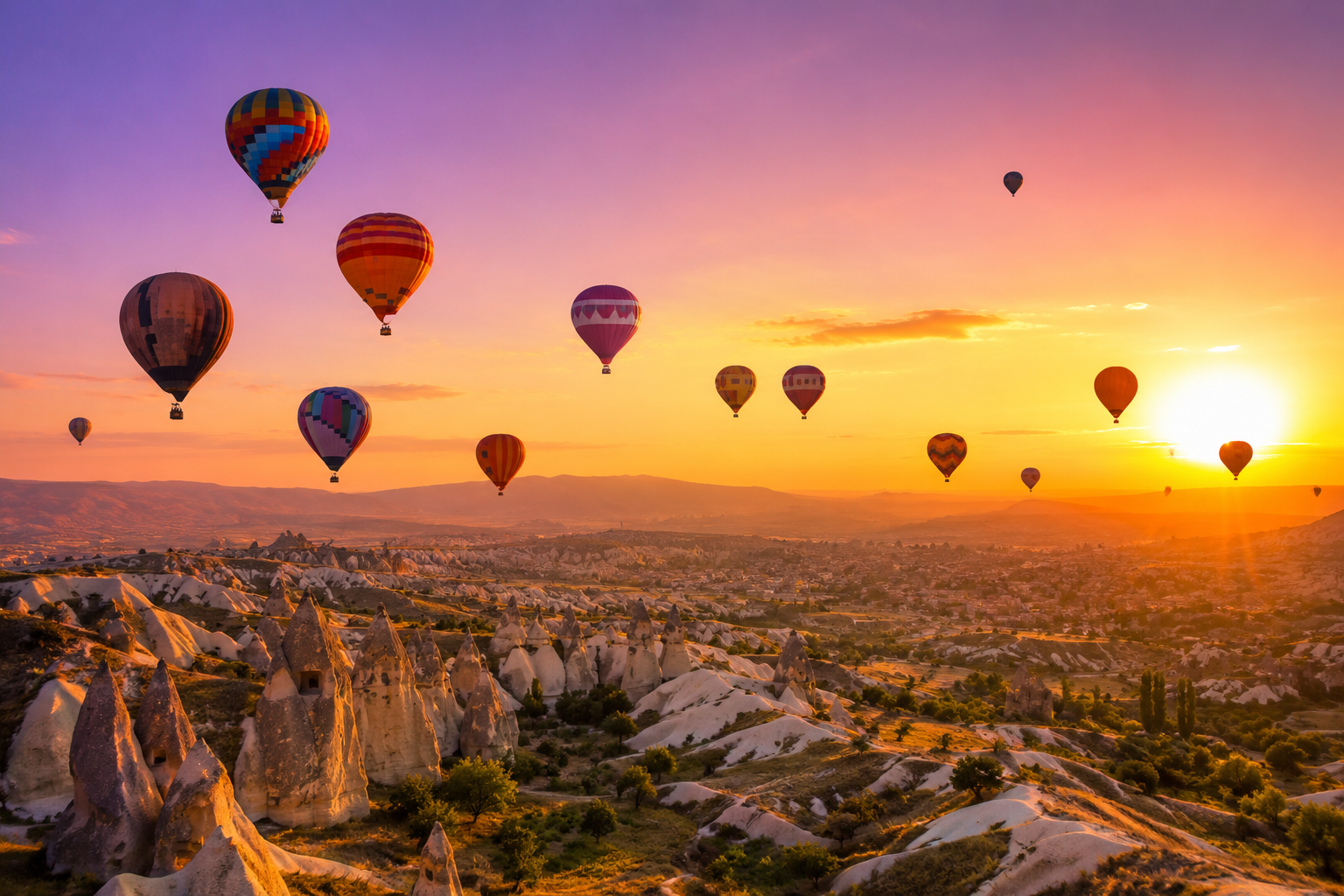
| Cappadocia | Very safe | Small-town feel. Balloon operators follow strict safety protocols. Main risk: sunburn and uneven hiking terrain. |
| Antalya / Med. coast | Very safe | Major resort area. Well-developed tourism infrastructure. Strong security at hotels and airports. |
| Aegean coast | Very safe | Bodrum, Fethiye, Izmir, Kuşadası. Relaxed, well-touristed. Similar vibe to Greek islands across the water. |
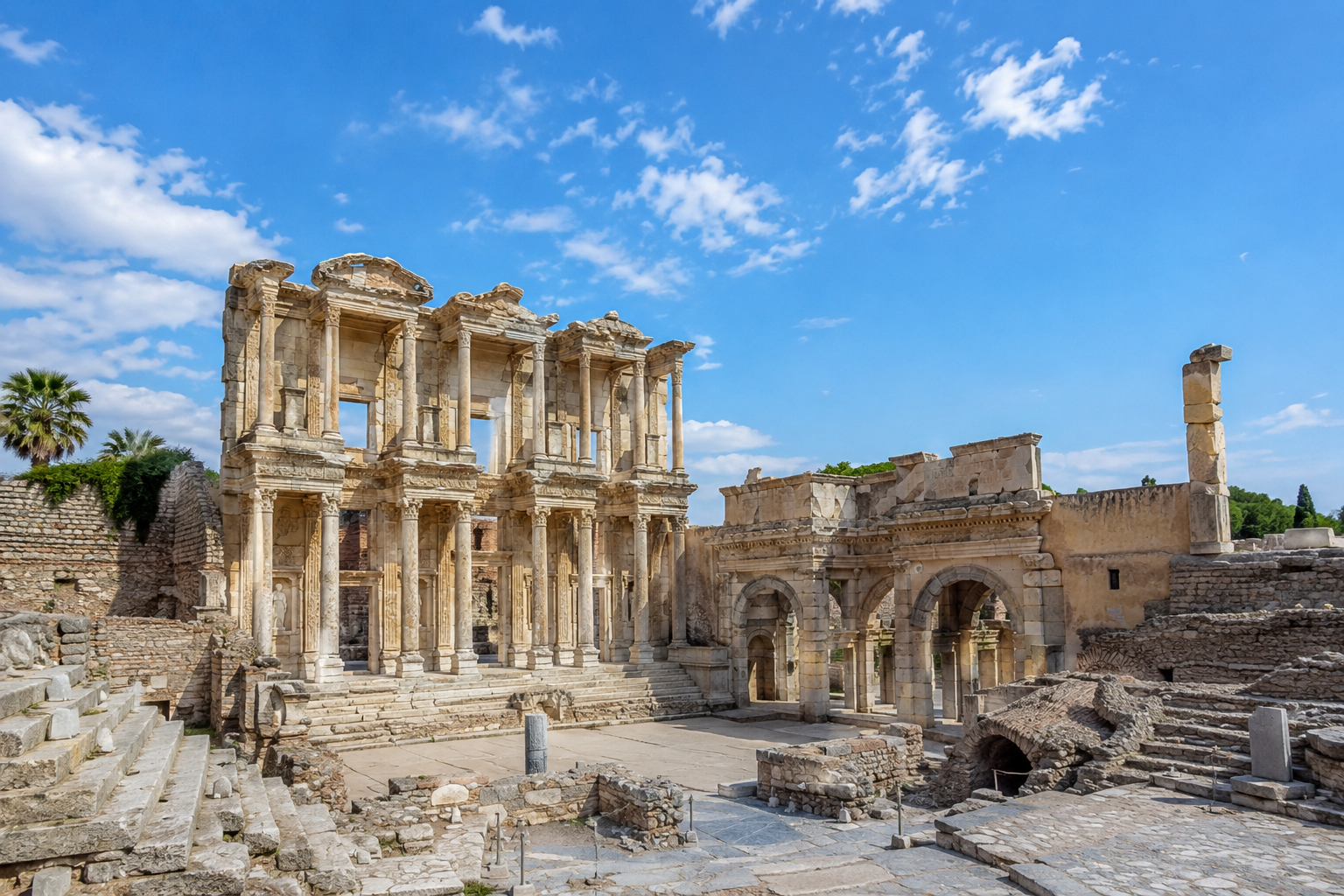
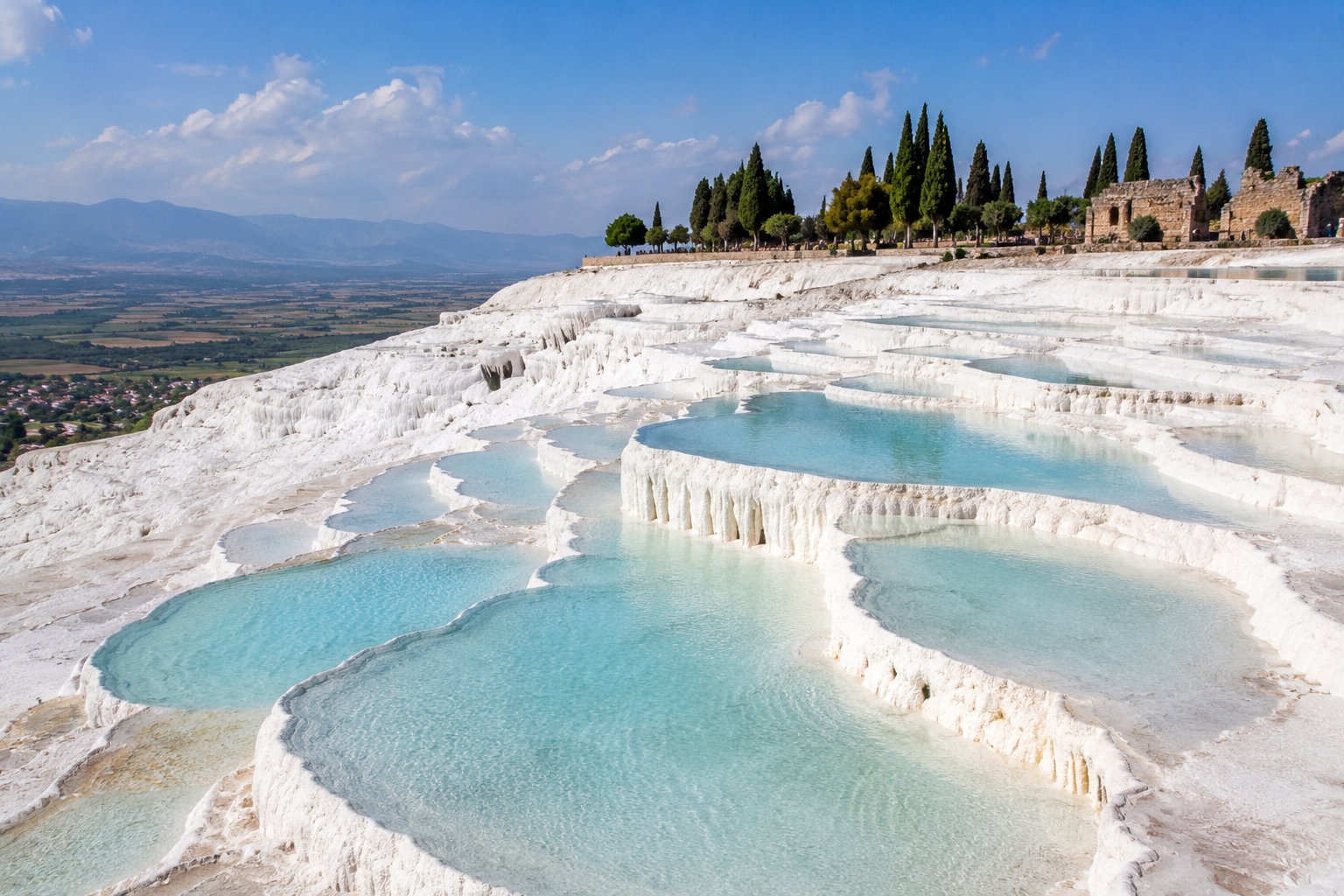
| Ephesus / Pamukkale | Safe | Archaeological tourism zones. Organized, secure. Main concern: heat in summer. |
| Ankara | Safe | Capital city. Less touristic but modern and well-policed. |
| Eastern Turkey | Caution | Culturally rich (Mardin, Van, Göbeklitepe). Safe with guided travel. More conservative, less English spoken. Remote areas have weaker infrastructure. |
| SE border zone | Avoid | Within 10 km of Syrian border (Hakkari, Şırnak, parts of Hatay). Not a tourist area. All governments advise against travel here. |
The key takeaway: every destination on a standard Turkey tourist itinerary falls in the "safe" or "very safe" category. The areas marked "avoid" are hundreds of kilometers from any place tourists visit.
📖 Plan your route: 10-Day Turkey Itinerary → (covers only safe, well-established destinations)
Common Scams to Watch For
These aren't dangerous — they're annoying. Knowing them in advance makes you essentially immune:
🚕 Istanbul taxi tricks
The classic: driver "forgets" to start the meter, takes a long route, or switches a 50 TL note for a 5 TL and claims you underpaid. The fix: use the BiTaksi app (Turkey's Uber equivalent) or insist on the meter before getting in. Better yet, use Istanbul's excellent public transport — the Istanbulkart works on trams, metro, ferries, and buses.
👞 Shoe-shine drop
A shoe-shiner "accidentally" drops his brush near you. You pick it up, he insists on shining your shoes as thanks, then demands an inflated price. Just keep walking — a polite "no, thank you" works every time.
🍷 The friendly stranger + bar bill
Someone strikes up a conversation near Taksim/İstiklal and invites you to "a great bar." The bill arrives with eye-watering prices. Avoid going to bars or clubs suggested by strangers on the street — choose your own venues.
💱 Currency confusion
Turkey uses the Turkish Lira (TRY). Some shops in tourist areas quote prices in euros or dollars but give change in lira at a bad rate. Always ask which currency before agreeing to a price, and use ATMs for the best exchange rates.
🏪 Carpet shop pressure
You'll be invited for tea in a carpet shop. The tea is genuine hospitality — accepting doesn't obligate you to buy. A firm, friendly "no thank you" is all you need. No one will force a sale.
None of these scams are dangerous — they're financial, not physical. Turkey's violent crime rate against tourists is very low. The risks you'll actually encounter are the same petty cons that exist in every major tourist city worldwide. Being aware of them is enough to avoid them.
Solo Travel & Female Traveler Safety
Solo travel to Turkey is popular and growing — global searches for "solo travel" hit an all-time high in 2026. Millions of solo travelers, including women, visit Turkey each year without incident.
What solo travelers report: Turkish hospitality is genuine and often overwhelming (in a good way). Locals frequently offer help, directions, and tea. The culture has a strong tradition of protecting guests.
For female travelers specifically:
- Dress code: Turkey is a secular country with a Muslim majority. In tourist areas (Istanbul, coast, Cappadocia), Western clothing is completely normal. For mosque visits, cover shoulders and knees — scarves are usually provided at the entrance. In more conservative eastern regions, modest clothing is respectful.
- Unwanted attention: Can happen in busy tourist areas — same as in southern Europe. A confident, direct response ("no" or "leave me alone" in any language) is effective. Locals generally step in if they see someone being harassed.
- Night safety: Stick to well-lit, busy areas. Karaköy, Kadıköy, Beyoğlu in Istanbul are lively until late. Use BiTaksi or hotel-called taxis at night rather than hailing on the street.
- Accommodation: Choose well-reviewed hotels or hostels in central areas. Boutique hotels in Sultanahmet, Galata, or Cappadocia's Göreme are popular and secure choices for solo travelers.
The most common advice from solo female travelers who've visited Turkey: "I felt safer than I expected." That said, trust your instincts — if a situation feels off, leave. This applies anywhere in the world, not just Turkey.
Nightlife Safety
Istanbul, Bodrum, and Antalya have vibrant nightlife scenes. General rules that apply worldwide:
- Watch your drink — don't accept drinks from strangers
- Choose venues yourself rather than following invitations from people on the street
- Check prices before ordering, especially in clubs near İstiklal Avenue
- Use BiTaksi or have your hotel call a taxi when leaving late at night
- Keep your phone and wallet secure in crowded venues
Health & Water
Tap water: Safe in most cities but tastes heavily chlorinated. Most travelers (and many locals) drink bottled water, which costs around $0.30.
Food safety: Turkish food hygiene is generally good, especially in restaurants. Street food is a national treasure and usually safe — look for high turnover vendors (fresh food). The kebab you buy from a busy local spot is safer than the tourist-menu restaurant with no customers.
Pharmacies: Well-stocked and widely available. Pharmacists often speak English in tourist areas and can advise on common travel ailments. Many medications that require prescriptions elsewhere are available over the counter.
Hospitals: Turkey has excellent private hospitals, especially in Istanbul and Antalya. Medical costs are low by Western standards. Travel insurance is still recommended.
Transport Safety
Domestic flights: Turkish Airlines and Pegasus are modern, well-maintained carriers with strong safety records. Domestic flights are frequent and affordable.
Intercity buses: Major companies (Metro, Kamil Koç, Pamukkale) operate modern, comfortable coaches. Intercity bus travel in Turkey is safe and well-organized.
Driving: Turkish drivers can be aggressive by European standards. Road quality is good on main highways. If you rent a car, drive defensively, especially in Istanbul traffic. Rural roads can be narrow and winding.
Public transport: Istanbul's metro, tram, and ferry system is safe, modern, and efficient. Get an Istanbulkart for seamless travel.
Earthquake Risk
Turkey lies on active fault lines. The devastating 2023 earthquake affected southeastern Turkey (Kahramanmaraş region), far from tourist areas. Recovery in tourist regions is complete.
What this means for tourists: Earthquake risk exists, as it does in Japan, Italy, California, and other popular destinations. Hotels in tourist areas are built to modern seismic codes. The risk doesn't meaningfully change whether you should visit — millions of people live and work in these areas year-round.
If earthquake preparedness matters to you (and it's reasonable): note emergency exits in your hotel, keep a small flashlight and your passport accessible, and know that the safest places during shaking are under sturdy furniture or in doorframes, not outside where falling debris is a risk.
Regional Conflicts: Does the War Affect Tourism?
This is the question behind many "is Turkey safe" searches. Here's the straightforward answer:
No — regional conflicts do not affect Turkey's tourist areas.
Turkey is a large country spanning both Europe and Asia. The popular tourist destinations are geographically far from any conflict zone. Istanbul is over 1,100 km from Israel and even further from Iran. The Aegean coast faces Greece. Cappadocia is in central Anatolia. Antalya faces the Mediterranean.
Airports operate normally. International flights arrive daily. Hotels, restaurants, and attractions run as usual. The Turkish tourism industry serves tens of millions of visitors annually and is a critical part of the national economy — it's protected and maintained accordingly.
The southeastern border zone (within 10 km of Syria) is a genuine concern — but it's not somewhere tourists go, and all government advisories clearly mark it.
10 Practical Safety Tips
- Get an Istanbulkart at the airport — avoid taxi hassles entirely in Istanbul
- Use BiTaksi app when you need a taxi — tracked route, fixed price
- Keep copies of your passport — photo on your phone + paper copy in your bag
- Get travel insurance — not because Turkey is dangerous, but because medical emergencies happen anywhere
- Download offline Google Maps — works without data, saves you from wrong-direction walks in unfamiliar areas
- Learn three Turkish words — "Merhaba" (hello), "Teşekkürler" (thanks), "Hayır" (no). These go a long way.
- Carry cash + card — cards work in cities, but some smaller shops and transport are cash-only
- Don't flash expensive items — same advice applies in Paris or New York
- Register with your embassy — free, takes 2 minutes, and they'll contact you if anything major happens
- Get an eSIM before departure — having data from the moment you land means maps, translation, and taxi apps work immediately. Best eSIM for Turkey →
✈️ Ready to Book Turkey?
Compare flights to Istanbul, Antalya, or Cappadocia from your city
Search Flights →