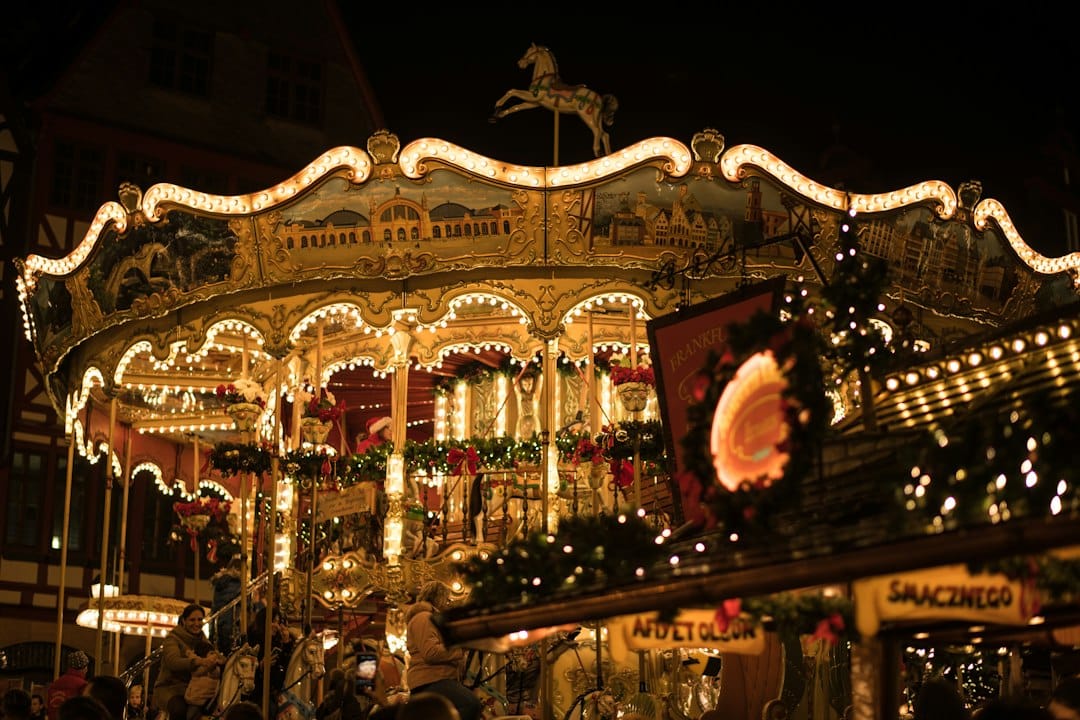
6 Best Christmas Markets in Europe — 2026 Dates
Opening dates vary by city and by individual market within each city — some announce official dates later than others. The table below reflects the main/flagship market in each city as of September 2026; always confirm close to your travel dates.
| City | Flagship market | 2026 dates | Known for |
|---|---|---|---|
| Vienna | Rathausplatz | Nov 13 – Dec 26 | Grand City Hall setting, ice rink next door |
| Prague | Old Town Square | Nov 28 – Jan 6 | Astronomical Clock backdrop, longest season on this list |
| Strasbourg | Cathedral Square | Late Nov – Dec 24 (exact dates vary by source) | Oldest Christmas market in France, dating to 1570 |
| Budapest | Vörösmarty Square | Expected mid-Nov – early Jan (not officially confirmed yet) | Handmade Hungarian crafts, frequent "best in Europe" awards |
| Cologne | Kölner Dom (Cathedral) + 6 more | Nov 16 – Dec 23 (cathedral market) | Most variety — seven differently-themed markets in one city |
| Nuremberg | Hauptmarkt (Christkindlesmarkt) | Nov 27 – Dec 24 | Germany's most traditional market, opened by the Christkind |
Budapest's 2026 dates were not yet officially announced at the time of writing — treat the range above as an estimate based on recent years, and confirm before booking.
Nothing on this list requires an entry ticket to the market itself — these are open public squares. What you're really budgeting for is mulled wine, food, the collectible mug deposit, and any optional city passes or guided tours.
How to Choose the Right Christmas Market
All six are worth visiting, but they reward different priorities. Use this to decide where to start.
The 6 Best Christmas Markets in Europe
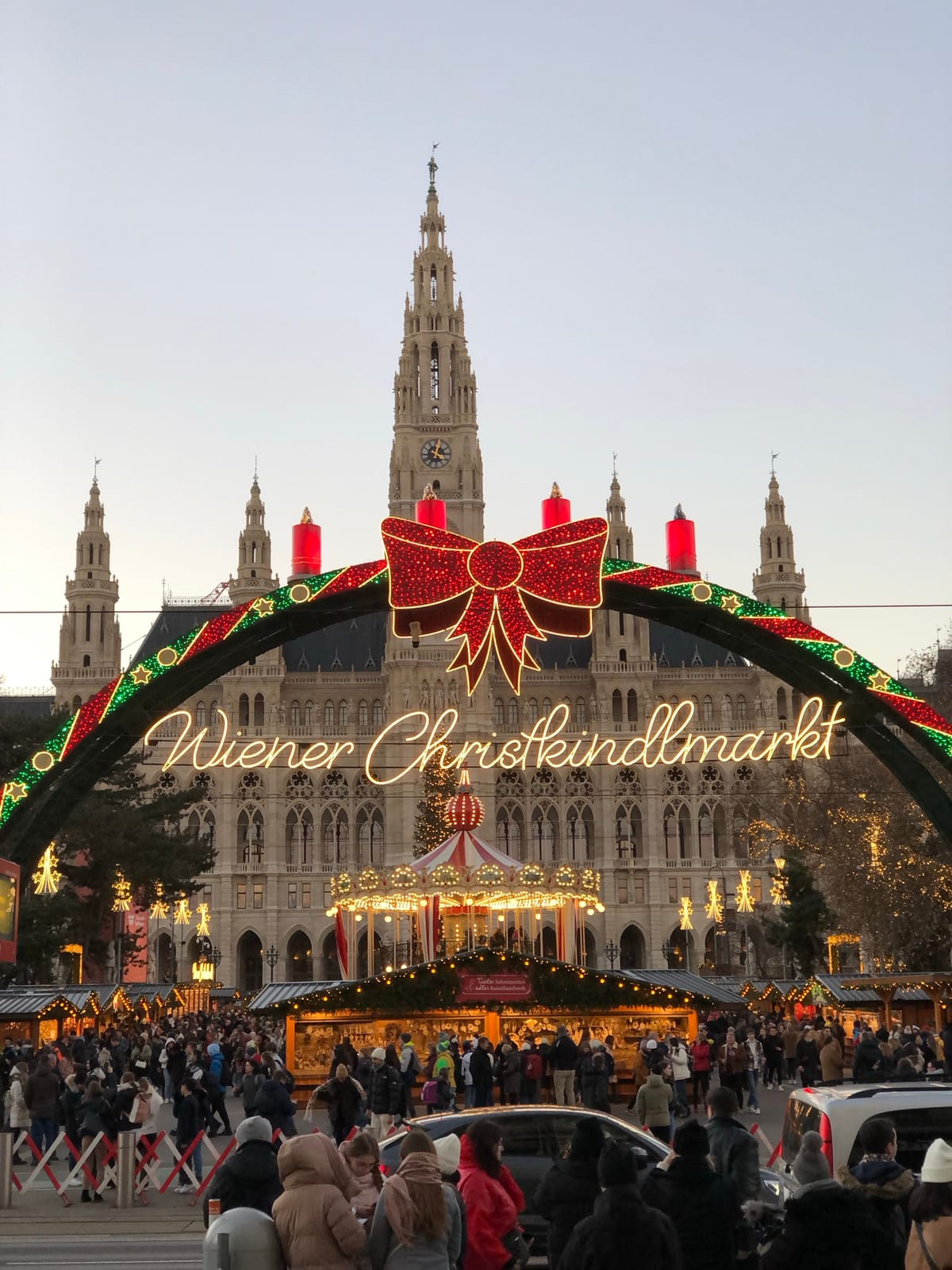
1. Vienna — Rathausplatz Christkindlmarkt
Vienna's flagship market sets up in front of the neo-Gothic City Hall, with the building itself lit up as a backdrop and a full ice-skating rink (Wiener Eistraum) running alongside it into January. It's the most "capital city" of the markets on this list — grand, well-organized, and easy to combine with Vienna's museums, palaces and coffee houses in the same trip.
Beyond Rathausplatz, Vienna runs several smaller markets (Schönbrunn Palace, Belvedere, Spittelberg) with more local character if you have extra time.
🎟️ Vienna Tours & Experiences
Browse skip-the-line tickets, city passes and guided tours in Vienna.
Browse Vienna Experiences →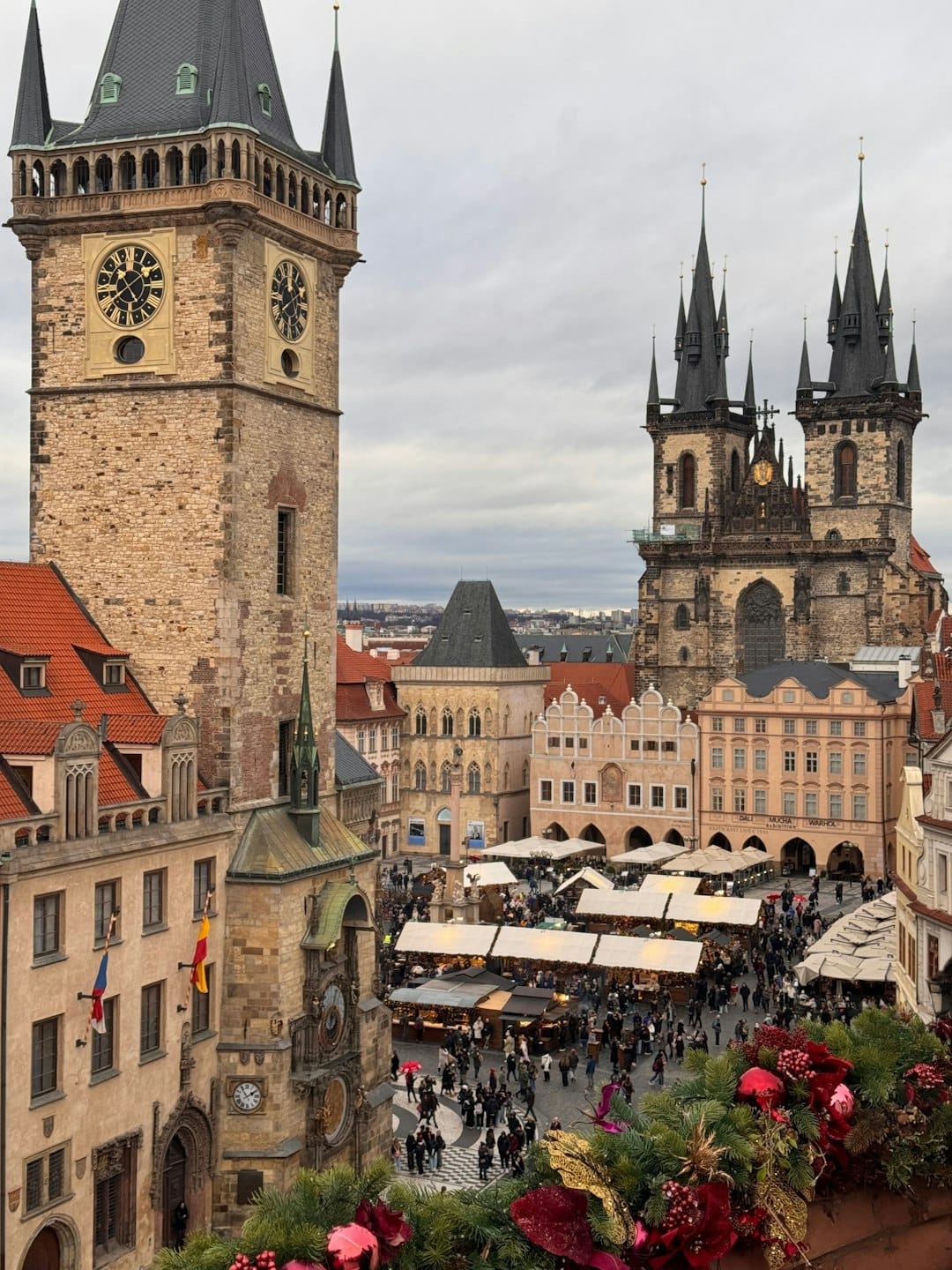
2. Prague — Old Town Square
Prague's market runs the longest of any on this list, stretching past New Year into early January, and it sets up beneath the Old Town Square's Astronomical Clock and Týn Church spires — one of the most photographed Christmas market backdrops in Europe. A second, slightly quieter market fills Wenceslas Square nearby.
Prague pairs naturally with Vienna and Budapest for a Central Europe rail loop, and tends to run cheaper than its Western European counterparts for food and lodging.
🎟️ Prague Tours & Experiences
Browse skip-the-line tickets, city passes and guided tours in Prague.
Browse Prague Experiences →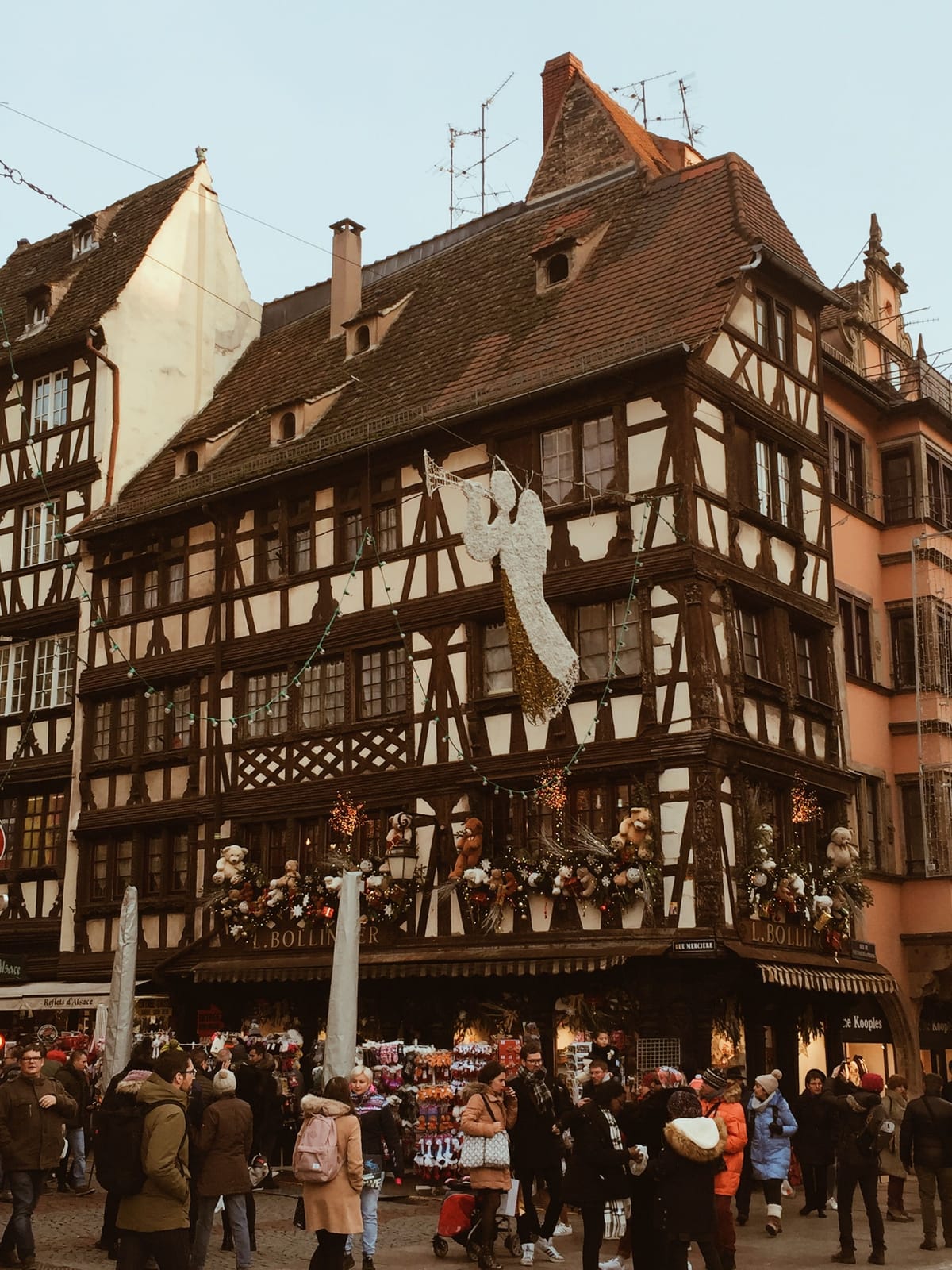
3. Strasbourg — Christkindelsmärik
Strasbourg's market traces its roots to 1570, making it the oldest Christmas market in France and one of the oldest in Europe — the whole reason the city brands itself the "Capitale de Noël" (Capital of Christmas). What was once a single market has grown into around a dozen linked markets across the half-timbered Grande Île old town, centered on the Cathedral Square and Place Broglie.
Alsace's blend of French and German traditions gives Strasbourg's stalls a distinct character — expect vin chaud, bredele cookies and a level of historic atmosphere that's hard to match elsewhere on this list.
🎟️ Strasbourg Tours & Experiences
Browse skip-the-line tickets, city passes and guided tours in Strasbourg.
Browse Strasbourg Experiences →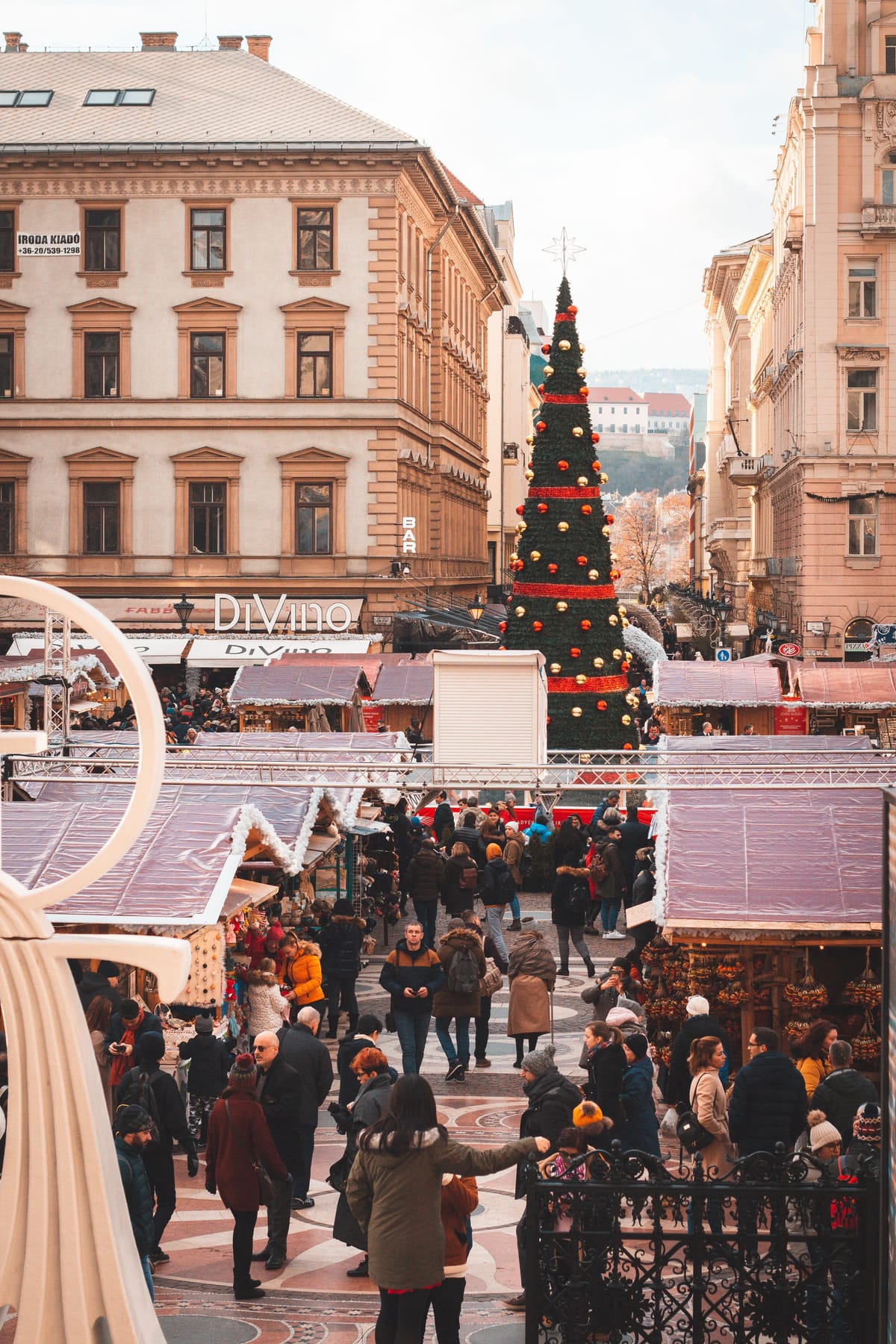
4. Budapest — Vörösmarty Square
Budapest's oldest and largest Christmas market has been repeatedly ranked among Europe's best in traveler polls, largely because of its curation — stallholders go through an artisan review process, so most of what's sold is genuinely handmade Hungarian craft rather than mass-produced imports. St. Stephen's Basilica hosts a separate market with a projected light show on the building's facade in the evenings.
Budapest is usually the most budget-friendly of the "big" Central European capitals on this list, and thermal baths make a good cold-weather add-on between market visits.
🎟️ Budapest Tours & Experiences
Browse skip-the-line tickets, city passes and guided tours in Budapest.
Browse Budapest Experiences →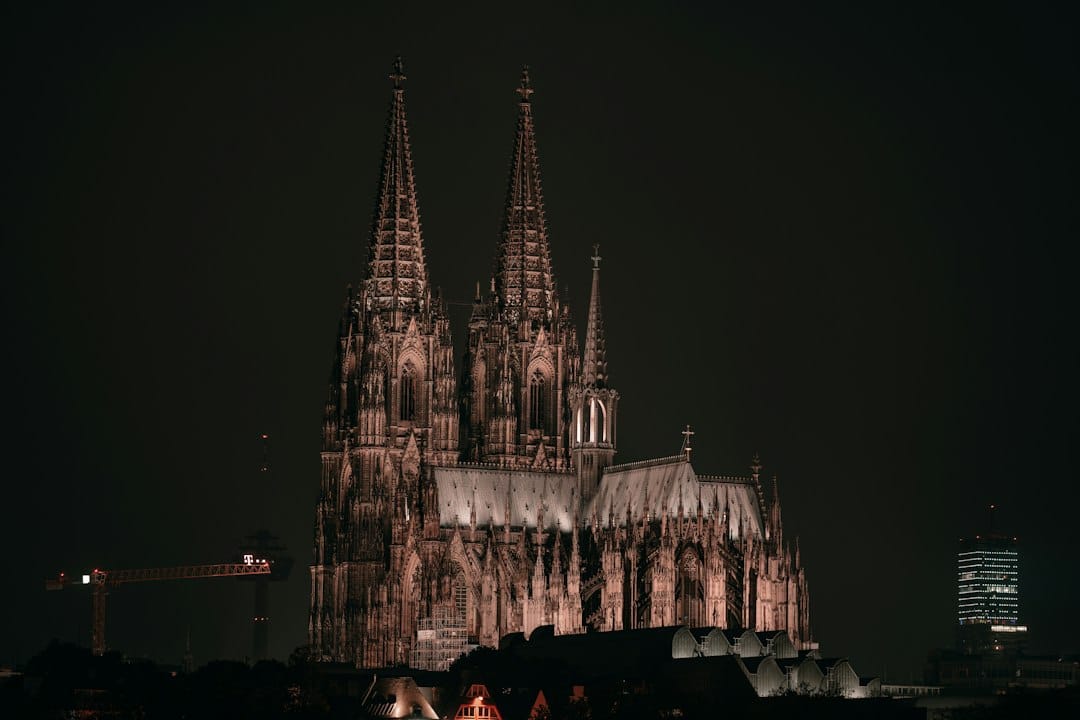
5. Cologne — Kölner Dom & 6 More Markets
No city on this list offers more variety in one place: Cologne runs around seven differently-themed markets simultaneously, from the main cathedral-square market (Weihnachtsmarkt am Kölner Dom, right beneath the Gothic cathedral towers) to a gnome-themed market, an angel-themed market, a harbor-side market, and a more local, food-focused market at Stadtgarten.
Because the markets sit at different points across the city center, a single day can realistically cover three or four of them — this is the pick if you want to sample different atmospheres rather than settling into one square.
🎟️ Cologne Tours & Experiences
Browse skip-the-line tickets, city passes and guided tours in Cologne.
Browse Cologne Experiences →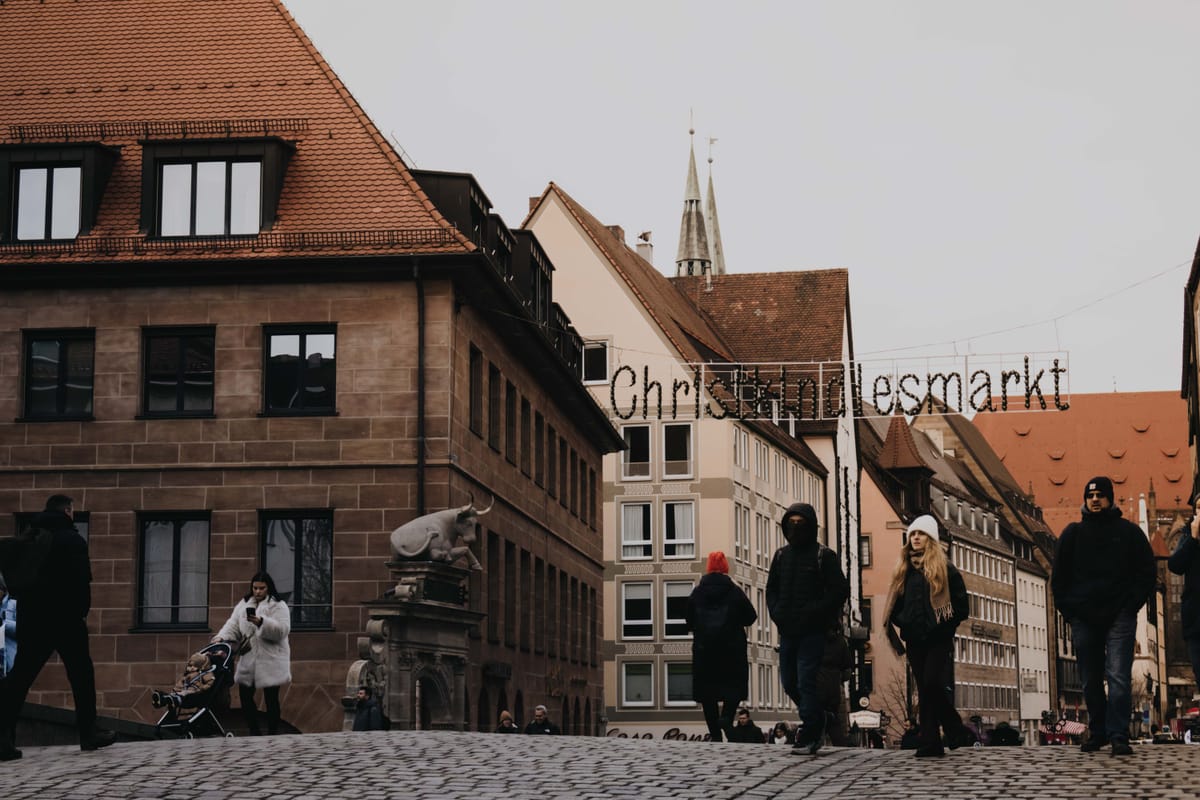
6. Nuremberg — Christkindlesmarkt
Nuremberg's Christkindlesmarkt is widely considered Germany's most traditional Christmas market and one of the most famous in the world, filling the Hauptmarkt square with more than 180 wooden stalls selling handcrafted gifts, ornaments and the city's famous Nürnberger Lebkuchen (gingerbread) and Rostbratwurst. It opens each year with a formal prologue delivered from the balcony of the Frauenkirche by a local actor or actress playing the "Christkind" — a centuries-old tradition unique to Nuremberg.
Nuremberg is a compact, walkable old town, and the market's central location means you can cover most of the city's historic sights — the Kaiserburg castle, the medieval city walls — in the same visit.
🎟️ Nuremberg Tours & Experiences
Coming soon — no current booking partner covers Nuremberg specifically.
Christmas Market Route Ideas
Christmas markets reward slower travel — cold weather and shorter daylight hours make a rushed itinerary less enjoyable than the rest of the year. Two or three cities is usually the sweet spot for a week-long trip.
| Route | Cities | How to connect | Best length |
|---|---|---|---|
| Central Europe classic | Vienna → Budapest | Train, ~2h30 | 5-6 days |
| Central Europe triangle | Vienna → Prague → Budapest | Train (Vienna–Prague ~4h; Vienna–Budapest ~2h30) | 8-10 days |
| Rhine & Alsace | Strasbourg → Cologne | Train via the Rhine corridor | 4-5 days |
| Bavaria & Rhineland | Nuremberg → Cologne | Train, ~4h direct or via Frankfurt | 5-6 days |
| Single-city deep dive | Any one city | — | 2-3 days |
Unlike a summer Europe trip, train travel between these cities in December means shorter daylight windows and occasional weather delays — build in a buffer day if you're connecting more than two cities, rather than scheduling a same-day transfer.
Budget Notes
Market entry itself is free everywhere on this list — your costs come from what you eat, drink and buy once you're inside.
For broader trip budgeting across the region, see our Europe budget travel guide.
Practical Planning Tips
- Dress in real layers: Evening temperatures across all six cities regularly sit near or below freezing in November-December — a warm coat, hat and gloves matter more than what you wear underneath.
- Weekday evenings are calmer: Weekend afternoons and evenings, especially close to Christmas, draw the biggest crowds at every market on this list.
- Book accommodation early: Markets are a major draw across all of these cities in December — rooms near the main squares fill up and get pricier the closer you book to your travel dates.
- Plan mobile data before arrival: An eSIM loaded before departure saves hunting for a local SIM shop when you land in a new country mid-route.
✈️ Compare Flights to Europe
Check current fares before locking in your Christmas market route.
Search Flights →Continue Planning with Gezilo
This guide is designed to connect with the rest of Gezilo's Europe planning content.
Frequently Asked Questions
Sources
2026 opening dates were cross-referenced against multiple current Christmas market guides and, where available, official city/market tourism sites, during research in September 2026. Budapest's 2026 dates were not yet officially confirmed at the time of writing and are marked as an estimate. Dates, hours and prices can change — verify with official sources before booking travel.