🍁 Global Destination · 2026

Kyoto Autumn 2026: Best Dates for Peak Kōyō (and How to Avoid the Crowds)

Kyoto was Japan's imperial capital for over a thousand years, and it shows — thousands of temples and shrines, preserved geisha districts, and an autumn foliage season considered among the most spectacular in the world. Every November, forecasters, shrines and travelers alike track the kōyō (紅葉) — the turn of the maple leaves — as closely as cherry blossom season in spring.

📅 Updated August 2026 ⏱️ 11 min read 🇯🇵 Japan
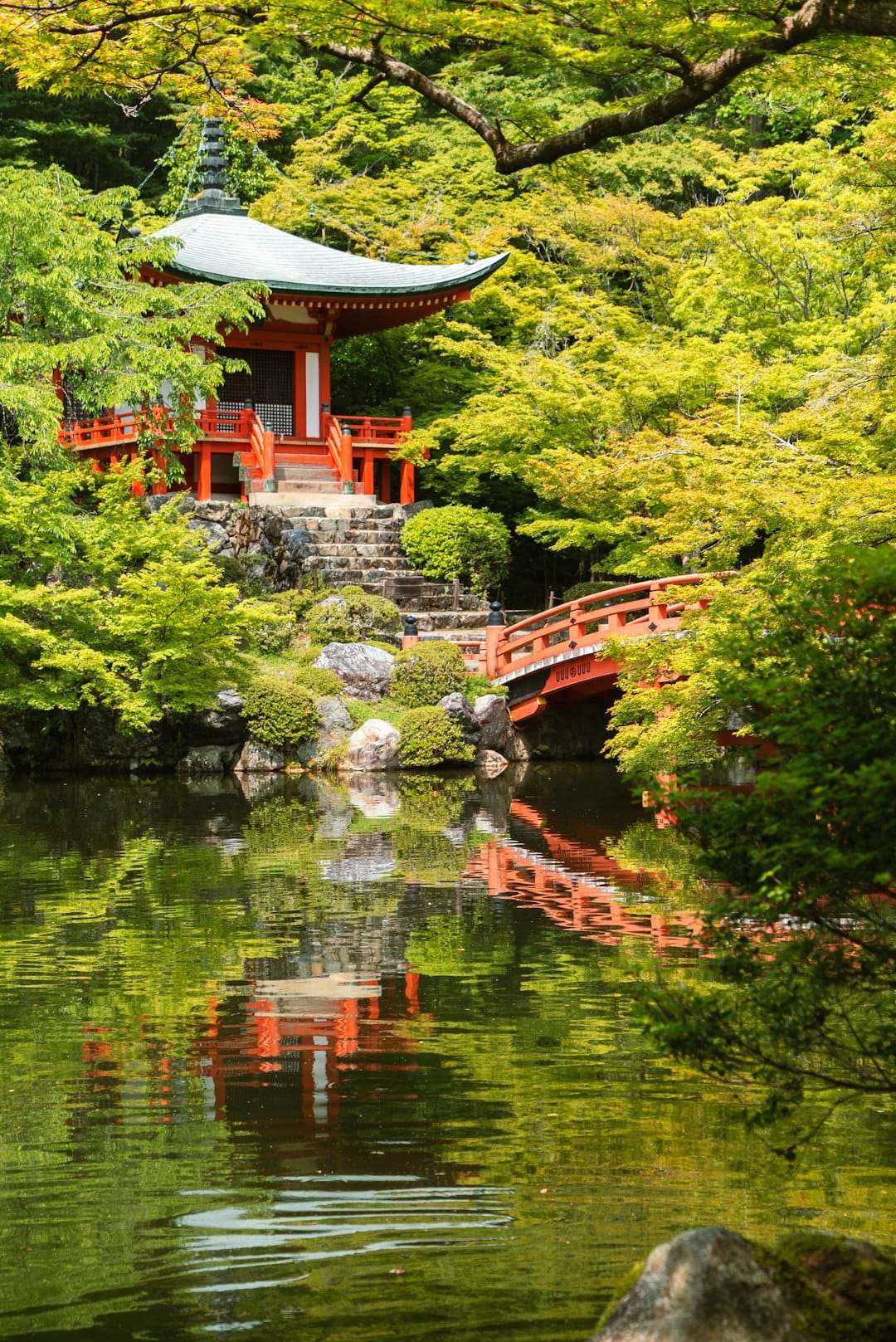
A red temple building reflected in a still pond surrounded by autumn foliage, Kyoto, Japan. Photo by David Emrich on Unsplash

Where is Kyoto?

Kyoto is an inland city in central Japan, in the Kansai region, about an hour from Osaka and just over two hours from Tokyo by bullet train. It served as Japan's imperial capital for more than a thousand years (794-1868), which is why it survived largely intact — spared the heaviest WWII bombing that reshaped Tokyo and Osaka — leaving one of the world's densest concentrations of historic temples, shrines and traditional wooden architecture in a single city.

📍 Gezilo Note

Kyoto's autumn foliage draws crowds on the scale of its cherry blossom season — the same shrines and bamboo groves you'll see in every photo get genuinely packed during peak kōyō weeks. Arriving at popular sights right at opening time is the single most effective way to avoid the worst of it.

How to Get to Kyoto

Kyoto has no airport of its own. The main gateway is Kansai International Airport (KIX), connected to Kyoto Station by the JR Haruka Limited Express (~80 minutes, roughly ¥3,060-3,500) or a direct airport bus (~100 minutes, roughly ¥2,800). From Tokyo, the Nozomi Shinkansen (bullet train) reaches Kyoto in about 2 hours 10-15 minutes; from Osaka (Shin-Osaka), it's a short ~15-minute hop on the same line.

Osaka Itami Airport (ITM) is a domestic-flights alternative if you're connecting through another Japanese city — it's also linked to Kyoto by train/bus, though KIX handles the international routes.

RouteApprox. timeNotes
Kansai Airport (KIX) → Kyoto~80 minJR Haruka Limited Express
Tokyo → Kyoto~2 hr 10-15 minNozomi Shinkansen
Osaka (Shin-Osaka) → Kyoto~15 minShinkansen

Travel times and fares are general estimates — confirm current schedules and prices when booking.

💡 Entry requirements: Many nationalities can enter Japan visa-free for short tourist stays, typically up to 90 days — confirm current requirements for your specific passport before flying, as this varies by country.

✈️ Find Flights to Kyoto

Compare routes to Kansai International Airport (KIX), the main gateway for Kyoto.

Search Flights →

Kōyō Timing: When Do the Leaves Actually Turn?

🍂 Mid-November – Early December (Traditional Window) Yellow ginkgo leaves typically peak first, around late November. Red maples often peak later, sometimes stretching into mid-December.
🌸 Late October (Early Color) Higher elevations and northern spots (e.g. around Kifune, Ohara) can start turning noticeably earlier than central Kyoto.
❄️ Late December Onward Color has typically faded island-wide by this point; a much quieter but leafless season.
⚠️ Kōyō dates are not fixed. They shift year to year based on that autumn's temperatures and can't be reliably predicted more than a few weeks out — recent years have seen color arrive later than the traditional window. Official forecast sites (Kyoto's own tourism board and Japan-wide foliage trackers) publish updated week-by-week predictions starting in October — check one of these close to your travel dates rather than relying on a single "best week" claimed months in advance.
💡 Practical tip: Book flights and hotels for a broad window (e.g. "the third week of November") rather than a single date, and stay flexible on which specific days you visit peak spots once you're closer to travel and forecasts firm up.

Where to Stay: Kyoto's Main Areas

⛩️ Higashiyama The classic preserved old-town district — Kiyomizu-dera, the Ninenzaka/Sannenzaka lanes — most walkable, most touristed.
🎎 Gion Kyoto's famous geisha (geiko/maiko) district — teahouses, lantern-lit streets, and some of the city's best evening atmosphere.
🎋 Arashiyama The bamboo grove, Tenryu-ji temple and river views on the western edge — quieter, but a bit further from central sights.
🚉 Kyoto Station area The most practical base for transit and day trips — less atmospheric, but central and convenient.
🏨 Gezilo Note

Higashiyama or central areas near Kyoto Station work well as a single base for most itineraries — Kyoto's public transit and walkability mean you rarely need to change hotels mid-trip, unlike Sicily's multi-base itineraries.

Top Things to Do in Kyoto
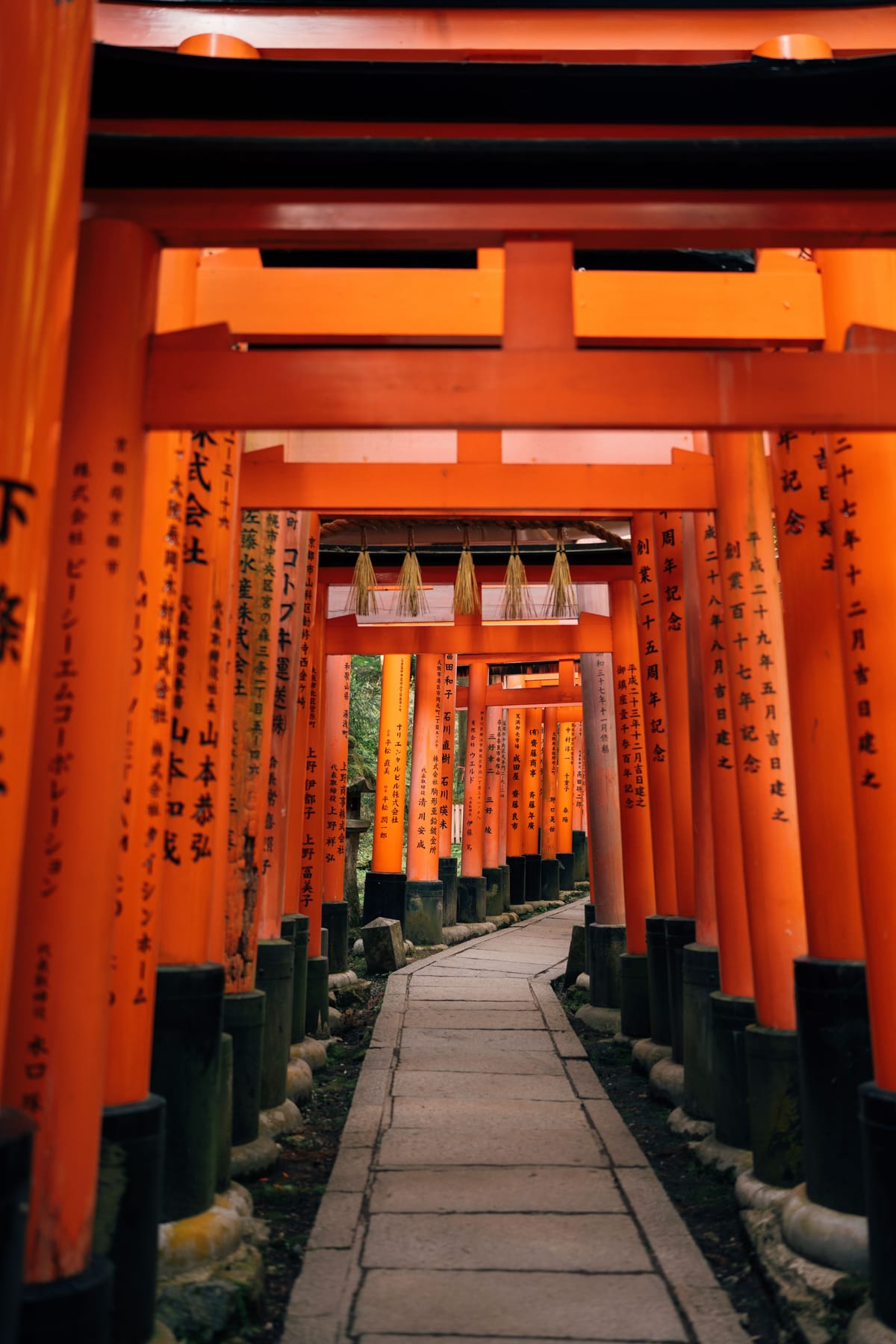
A tunnel of vermilion torii gates at Fushimi Inari Shrine, Kyoto
⛩️ Fushimi Inari Shrine Thousands of vermilion torii gates climbing the mountain — free to enter, best visited at dawn to beat the crowds.
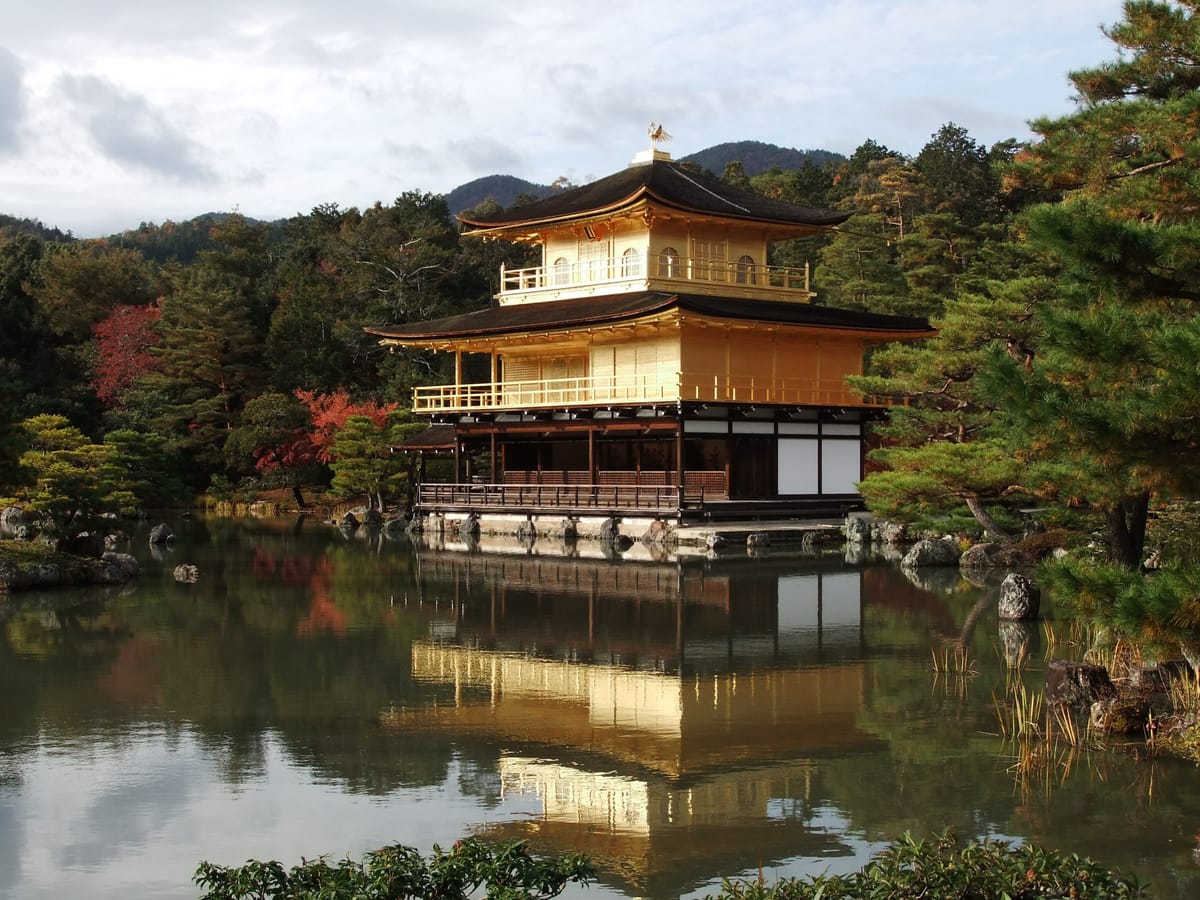
Kinkaku-ji, the gold-leaf-covered Golden Pavilion, reflected in its pond, Kyoto
🏯 Kinkaku-ji (Golden Pavilion) A gold-leaf-covered pavilion reflected in its pond — one of Kyoto's most photographed sights.
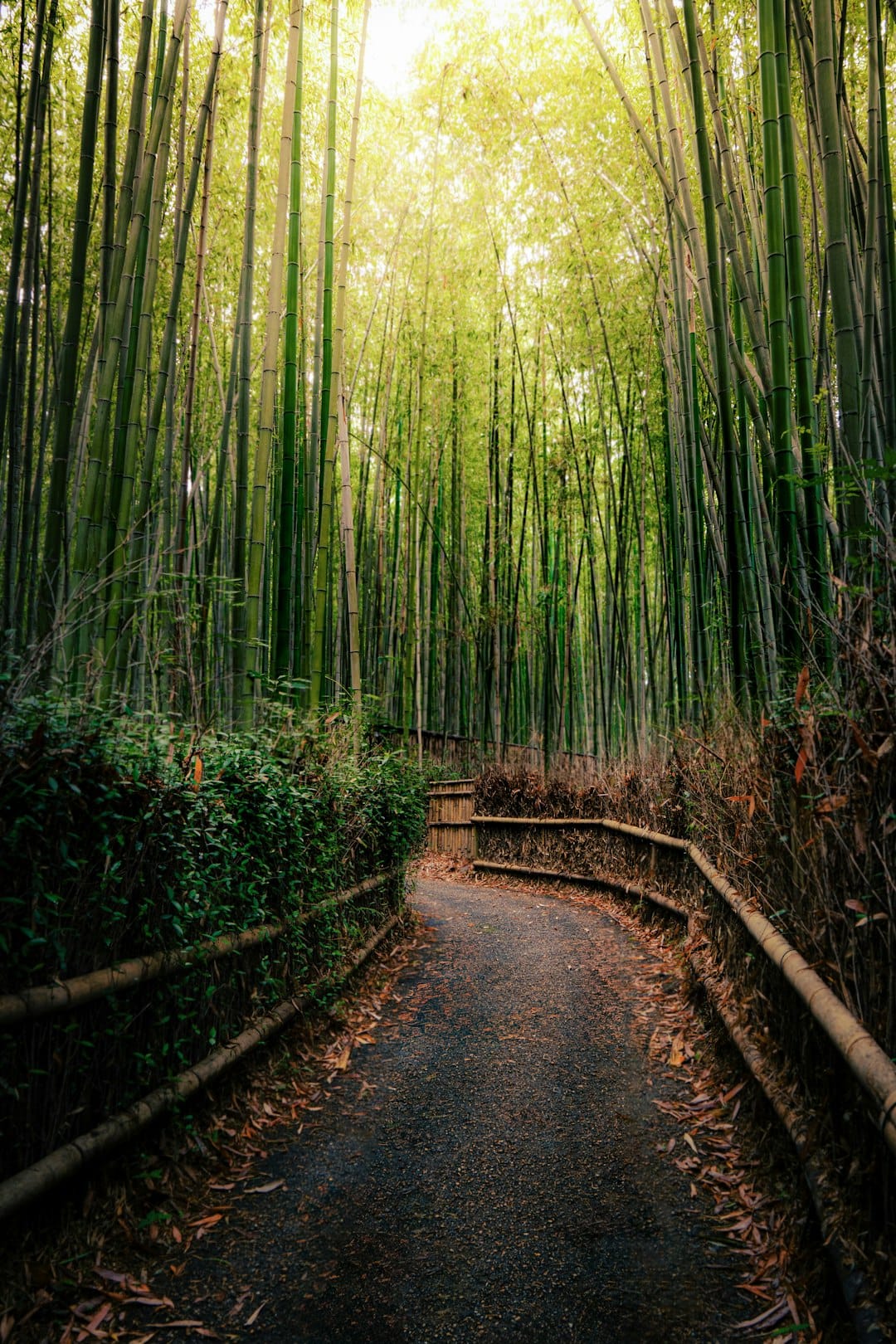
An empty path through the Arashiyama Bamboo Grove, Kyoto. Photo by Marisca Kadharmestan on Unsplash
🎋 Arashiyama Bamboo Grove & Tenryu-ji A towering bamboo path beside a UNESCO-listed Zen temple and garden.
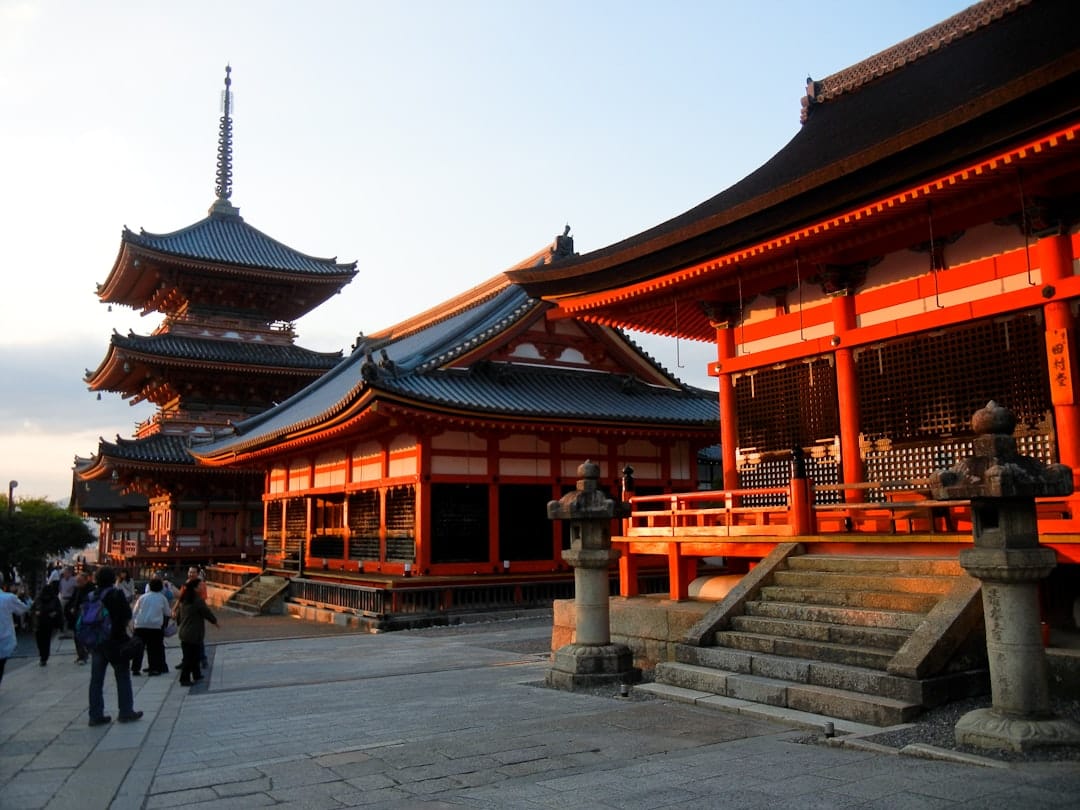
Kiyomizu-dera's wooden veranda and pagoda at golden hour, Kyoto. Photo by Griffin Quinn on Unsplash
🏛️ Kiyomizu-dera A wooden temple built on a hillside without a single nail, with sweeping views over Higashiyama.
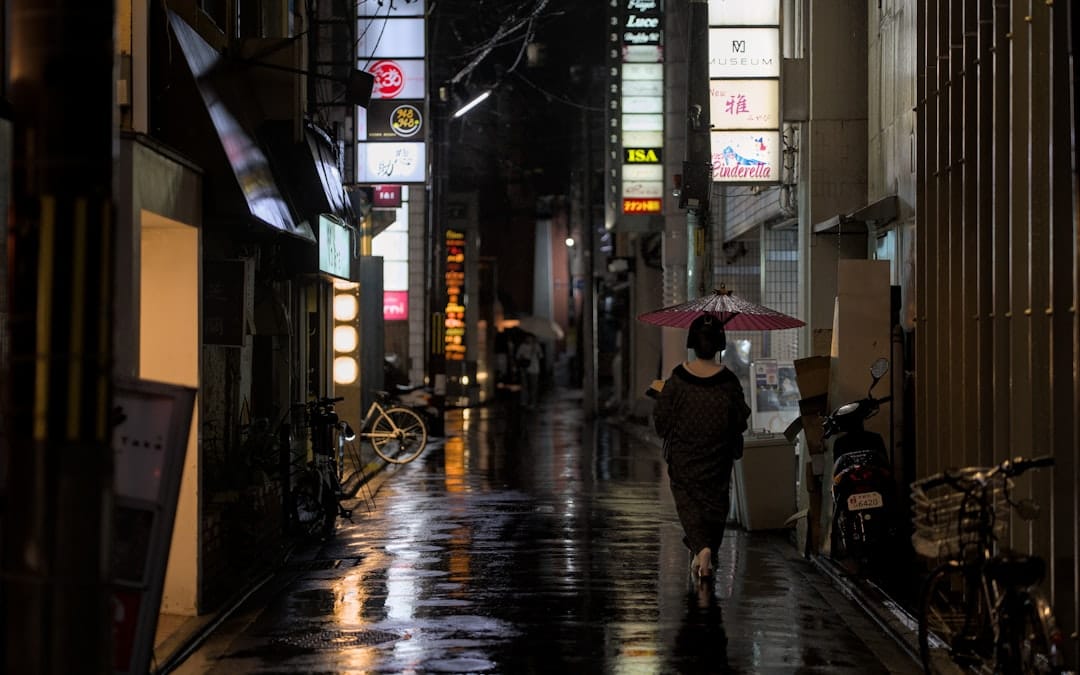
A figure with an umbrella walking down a lantern-lit alley in Gion, Kyoto, at night. Photo by Julien on Unsplash
🎎 Gion Evening Walk Kyoto's geisha district after dark — lantern-lit lanes and, with luck, a glimpse of a geiko or maiko en route to an appointment.
Photo: Julien on Unsplash
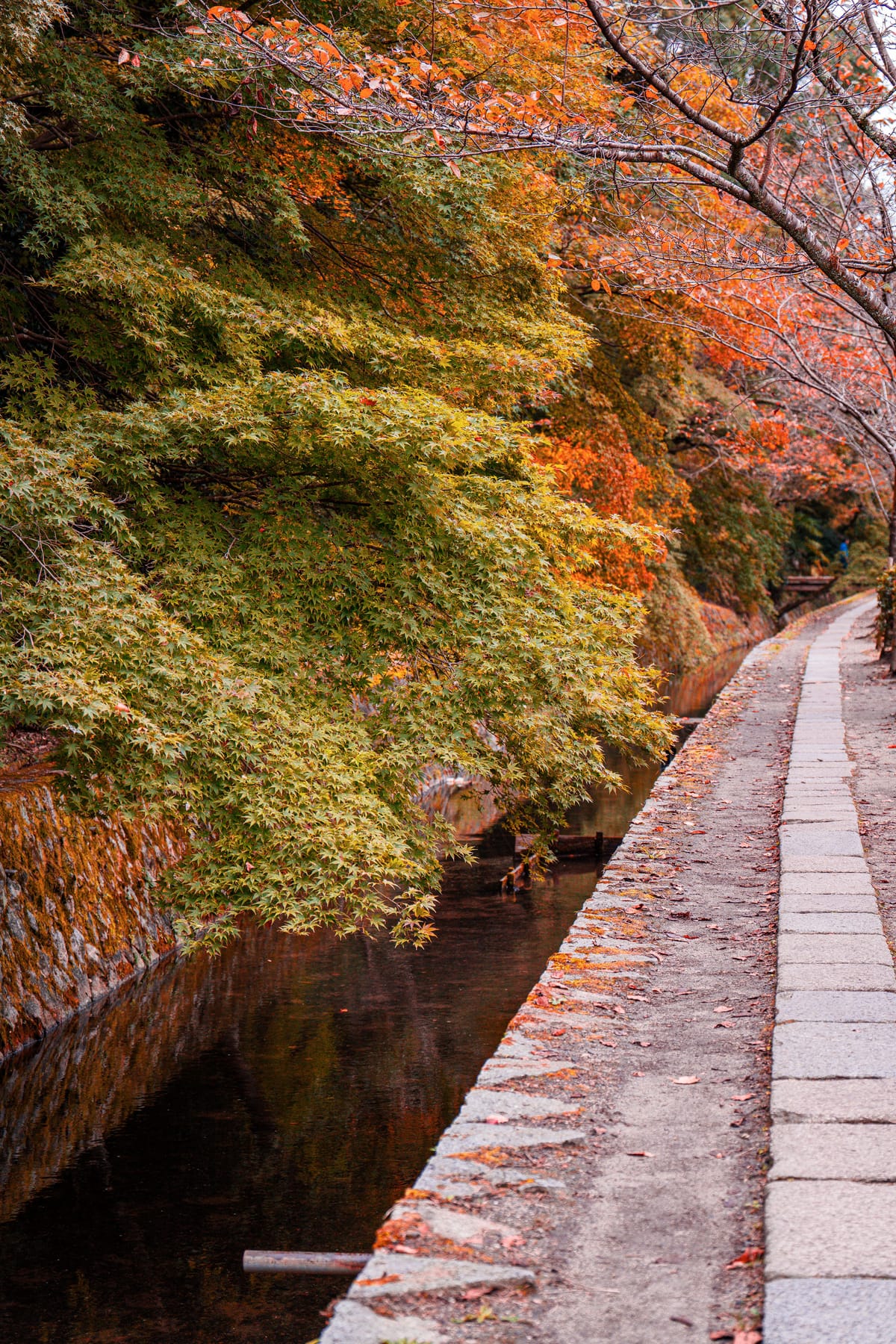
Autumn foliage over the stone canal path of the Philosopher's Path, Kyoto
🍁 Philosopher's Path A canal-side walking path lined with hundreds of trees — especially striking during kōyō.
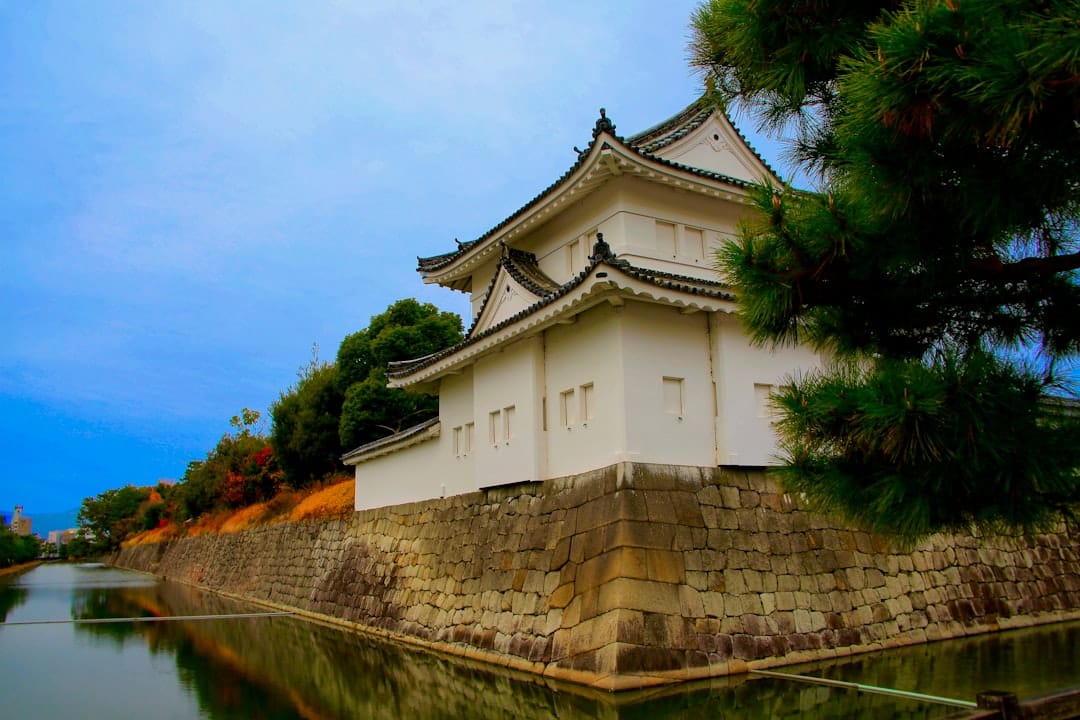
Nijo Castle's white corner turret and moat, Kyoto. Photo by Bo Zhang on Unsplash
🏯 Nijo Castle A shogun-era castle with "nightingale floors" designed to squeak as a security measure against intruders.
Photo: Bo Zhang on Unsplash

🎟️ Kyoto Tours & Activities

Fushimi Inari tours, Arashiyama bamboo grove walks, Kinkaku-ji tickets and more — compare and book skip-the-line experiences.

Browse Kyoto Experiences →

Day Trips from Kyoto

🦌 Nara Todai-ji's giant bronze Buddha and a park of over a thousand free-roaming, bowing deer — about 45 minutes by train.
🏯 Osaka Osaka Castle and the Dotonbori food district — about 15 minutes by Shinkansen or 30-45 minutes by regular train.
🍵 Uji Byodo-in Temple (the building depicted on the ¥10 coin) and the heart of Japan's matcha-growing region — about 20-30 minutes by train.
🚄 Gezilo Note

All three day trips are direct, sub-hour train rides from Kyoto Station — no car rental or multi-leg transfers needed, unlike Sicily's day trips.

Suggested 5-Day Kyoto Itinerary

  1. Day 1 — Higashiyama: Kiyomizu-dera, the Ninenzaka/Sannenzaka lanes, settle in.
  2. Day 2 — Arashiyama & Northern Kyoto: Bamboo grove, Tenryu-ji, Kinkaku-ji in the afternoon.
  3. Day 3 — Fushimi Inari (early morning, before the crowds) + Gion evening.
  4. Day 4 — Nara day trip.
  5. Day 5 — Uji or Osaka day trip, or a slower morning at Nijo Castle and the Philosopher's Path before departure.

Add a day to combine two day trips instead of choosing one, or to build in a buffer for kōyō photography — the best light is early morning and late afternoon.

Budget Guide (2026 Estimates)

ExpenseBudget optionMid-range
Accommodation (per night)$50-80 (guesthouse/hostel)$130-220 (central hotel/ryokan)
Food (daily)$25-35 (ramen, konbini, set lunches)$55-90 (izakaya, kaiseki)
Local transport (daily, bus/subway)$6-9
Temple/shrine entry (each)$3-5
Tokyo–Kyoto Shinkansen (one-way)$95-120

Currency is Japanese Yen. Autumn (kōyō season) is peak pricing for accommodation, on par with cherry blossom season — these are general estimates, confirm current prices before booking.

eSIM & Practical Tips

Coverage is excellent throughout Kyoto and on the Shinkansen network; a Japan eSIM loaded before departure saves navigating airport SIM counters.

📱 eSIM tip: Providers like Airalo, Saily and Drimsim cover Japan with country-specific or regional Asia plans you can activate the moment you land.
Airalo Japan-specific and regional Asia plans. Get Airalo eSIM →
Saily Simple regional and global data plans. Get Saily eSIM →
Drimsim Pay-as-you-go, 190+ countries. Get Drimsim eSIM →

Other practical tips

  • Getting around: City buses and the subway cover most sights; a day pass is usually worthwhile if visiting 3+ spots by bus. Fushimi Inari and Arashiyama are also reachable by regular JR/private rail lines.
  • Currency: Japanese Yen (JPY). Cash is still widely used, especially at smaller temples and shops — carry some, though cards and IC transit cards (Suica/ICOCA) are increasingly accepted.
  • Visa: Many nationalities enter Japan visa-free for short tourist stays, typically up to 90 days; confirm requirements for your passport.
  • Rail pass: If combining Kyoto with Tokyo and Osaka, a Japan Rail Pass can be worthwhile — calculate against individual Shinkansen ticket costs for your specific route before buying.
  • Language: Japanese. English signage is common at major sights and stations, less so at smaller local spots.

🧳 Kyoto Trip Checklist

✅ Flights Into Kansai International Airport (KIX). Search flights →
✅ eSIM Japan data package, load before departure. Get eSIM →
✅ Rail Pass Decision Calculate whether a Japan Rail Pass pays off for your route before buying.
✅ Tours & Activities Fushimi Inari tours, Arashiyama bamboo grove walks, Kinkaku-ji tickets. Browse experiences →
⬜ Hotel Coming soon — Gezilo accommodation comparison across Higashiyama, Gion and Kyoto Station area.
⬜ Airport Transfer Coming soon.

Frequently Asked Questions

When does kōyō (autumn foliage) peak in Kyoto?
Kyoto's peak autumn color traditionally falls in a mid-November to early December window — yellow ginkgo leaves typically peak first (late November), with red maples often peaking later, sometimes into mid-December. Exact dates shift year to year based on that autumn's temperatures and can't be reliably predicted more than a few weeks out — check an official forecast site closer to your travel dates.
How many days do you need in Kyoto?
5 days covers the main districts (Higashiyama, Arashiyama, Fushimi Inari, Gion) plus one day trip (Nara, Uji or Osaka) at a comfortable pace. 3 days is workable if you skip the day trip.
Is Kyoto expensive?
Kyoto is moderately priced by major-city standards — generally cheaper than Tokyo for accommodation, with temple entry fees typically ¥400-600 each. Autumn (kōyō season) is peak pricing for hotels, on par with cherry blossom season.
Where should I stay — Higashiyama, Gion, Arashiyama or near Kyoto Station?
Higashiyama or Gion for atmosphere and walkability to major sights. Near Kyoto Station for transit convenience and easier day trips. Arashiyama is quieter but further from central sights — better for a short stay within that district itself.
Do I need a visa for Japan?
Many nationalities can enter Japan visa-free for short tourist stays, typically up to 90 days — confirm current requirements for your specific passport before flying, as this varies by country.
What airport do you fly into for Kyoto?
Kyoto has no airport of its own. Kansai International Airport (KIX) is the main gateway, connected to Kyoto Station by the JR Haruka Limited Express (~80 minutes). Osaka Itami (ITM) is a domestic-flights alternative, also connected via train/bus to Kyoto.
Is Kyoto safe for solo travelers?
Yes, Kyoto is considered very safe with low crime rates, even at night. The most common real friction points are overcrowding at top sights during peak season and etiquette missteps in residential Gion (photographing geiko/maiko without consent is restricted by local rules).

✈️ Plan Your Kyoto Trip

Compare flights to Kansai International Airport (KIX) and start planning.

Search Flights →

Sources

Seasonal kōyō timing was cross-referenced with multiple current Japan autumn-foliage forecast sources and Kyoto's official tourism board during research. Foliage timing reflects historical patterns and current-year forecast commentary rather than a guaranteed date and should be re-checked against an updated forecast close to travel — see the "Kōyō Timing" section above. Official Japan immigration/visa information should also be verified independently. Prices and conditions may change; verify with operators before booking.